
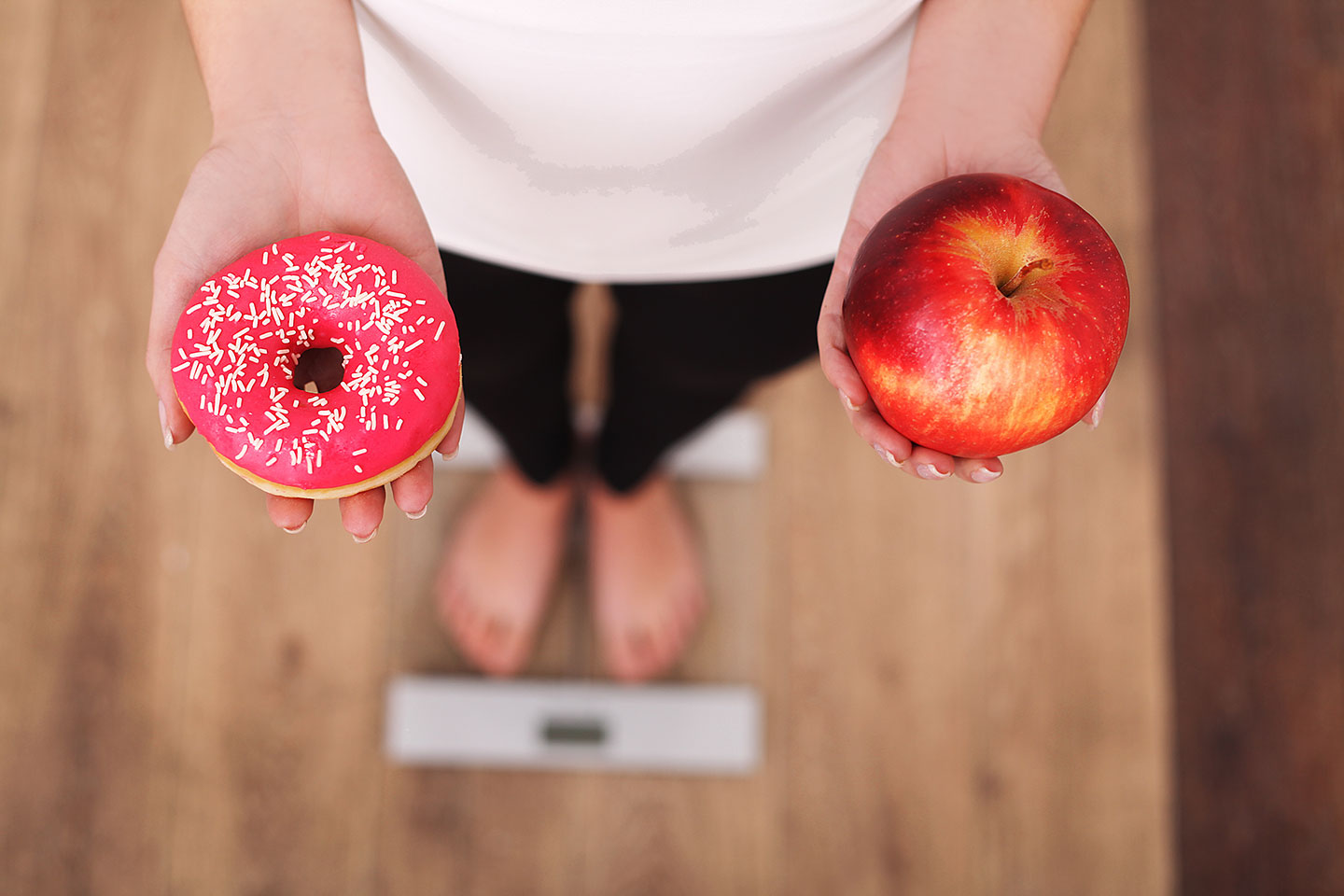
In a world obsessed with dieting, clean eating, and shrinking your body, food has become a source of guilt, control, and anxiety. If you’ve ever said, “I’ was so good today” because you ate less, or “I blew it” because you had a cookie, you’re not alone—and you’re not broken.
But here’s the truth: your relationship with food is really a reflection of your relationship with yourself.
If you’re exhausted from counting calories, starting over every Monday, and constantly thinking about food and your body—this is for you.
This blog isn’t about another eating plan or a trick to curb your cravings. It’s to help you finally improve your relationship with good and yourself. Allow you to stop overthinking food and actually start enjoying your life.
1. Your Eating Habits Are Telling You Something
Do you restrict when you’re stressed or eat past fullness when you’re overwhelmed or lonely? That’s not failure—it’s a signal. The way you eat often mirrors how you’re feeling emotionally and how safe you feel in your body.
Start asking yourself:
- Am I eating to feel better or to feel nothing?
- Do I feel guilt or freedom after meals?
- What am I truly craving—comfort, connection, or control?
Awareness is the first step toward healing. Judgment keeps you stuck. Curiosity moves you forward.
2. What If Nourishing Yourself Was an Act of Self-Respect?
Instead of another plan to “get back on track,” what if you made food about care—not control?
Nourishing yourself means:
- Making meals that feel good and taste good
- Eating without distractions
- Hydrating because your body deserves to feel good
These small shifts build trust. You stop treating your body like a project and start treating it like a home.
3. Ditch the Inner Critic at the Table
That voice that says, “You shouldn’t have eaten that,” or *“You’ve ruined everything”—*that’s not your intuition. That’s diet culture.
Instead, invite your inner coach to the table—the one who’s wise, kind, and committed to the big picture. She knows one snack or one missed workout doesn’t define anything.
4. Intuitive Eating Isn’t Letting Go—It’s Letting In
You already know how to eat. But diet culture has taught you to doubt yourself.
Intuitive eating is about rebuilding that trust by listening to your body’s cues:
- Am I hungry—or am I bored, stressed, or anxious?
- Can I give myself permission to eat what I truly want?
- Can I stop when I’m satisfied—not stuffed?
This isn’t about perfection. It’s about connection.
5. Heal the Root, Not Just the Behavior
If you’re constantly chasing weight loss, restricting and rebounding, or stuck in food obsession—it’s not about the food. It’s about what you believe changing your body will fix.
Will weight loss finally make you happy, confident, or enough?
What if those things came before the weight changed?
When you heal what’s underneath—the beliefs, the pressure, the fear—you start to live differently. And ironically? Your habits start to shift too. You eat better because you feel better. The weight loss becomes the bonus, not the obsession.
You Deserve More Than Another Diet
You don’t need more rules. You need relief.
You don’t need more shame. You need self-trust.
You don’t need another plan to fix your body.
You need to finally feel at home in it.
 You deserve to eat without guilt. Dress without stress. And live without constantly thinking about food.
If that sounds like the kind of relationship with food and your body you want—you’re in the right place.
 Tell me: What does your relationship with food say about how you care for yourself?
 Want to get started? Click here!